


01 Apr Why are hinge gap injuries so common?
We see trapped fingers and hands all the time across homes, business premises, schools and other settings. Yet, we are firm believers that this ‘rite of passage’, and the hidden door dangers that cause finger entrapment, should never be accepted as the norm.
At last count, more than 30,000 children trap their fingers in doors every year, but whatever your age, no one should have to face the physical and psychological damage that entrapment causes. Despite this, hinge gap injuries remain surprisingly common; in this blog post, we aim to understand why.
Don’t mistake familiarity for safety
In homes in particular, we take everyday fixtures and fittings like doors for granted. Most people regularly overlook dangerous hinge gaps and the problems they so easily cause. With doors also used constantly, their status as hazards slips further, lowering vigilance in scenarios where extra care really would help. Don’t mistake your internal and external doors for anything but hazards.
Out of sight, out of mind
The hinge gap area of any door is a mysterious place. Being hidden from view when the door closes means most people tend to focus on keeping their digits away from the handle side, leaving the closing hinge gap to strike when you least expect it.
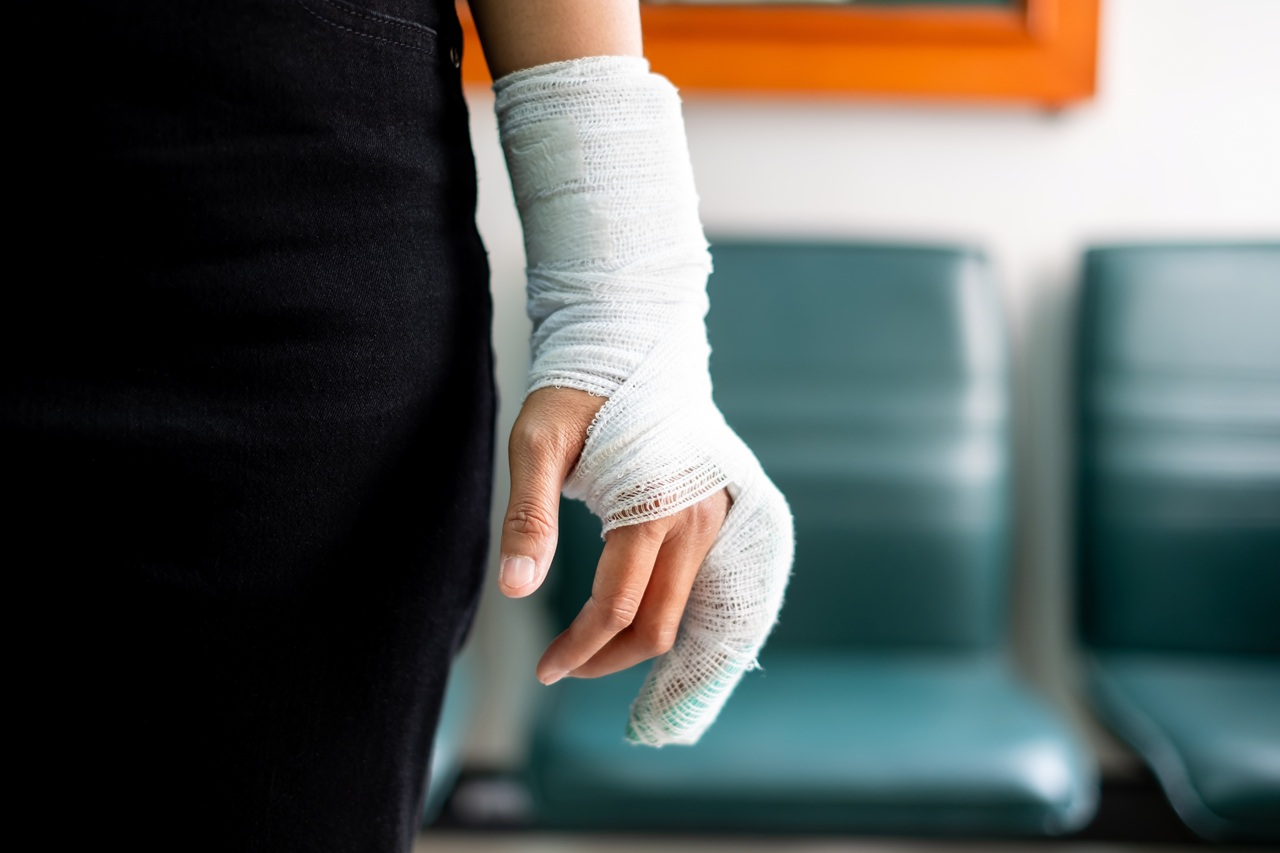
Fingers can be in danger without anyone noticing, especially from the person closing the door, leaving the individual on the other side particularly vulnerable and even in need of surgery as these statistics from the British Association of Plastic, Reconstructive and Aesthetic Surgeons (BAPRAS) reveal:
“Many require multiple procedures with one in six injuries resulting in an amputation. Such injuries can leave children with lifelong disfigurement, pain and even depression. Figures collected in just one London hospital reveal that last year door crushing accidents resulted in 630 nail bed injury operations – 40% of these were paediatric cases.”
The force is strong with this one
We couldn’t resist a little Star Wars reference, but the mechanical force is seriously strong with closing doors! The door itself acts as a lever, while the tight gap exerts an even greater level of force. Even a gently closing door can generate enough pressure at the hinge side to cause serious injury, leaving the fingers or hands wedged within in a lot of trouble.
Doors can move in unpredictable ways
These seemingly safe every day fixtures have the potential to move unpredictably at times. Drafts and self-closing mechanisms are both common causes of slams or faster than expected door movement. Fingers can be caught off guard by this unpredictable movement, making hinge gap injuries more common.
In shared, high traffic environments – such as schools, offices and public places – this movement can be even more unpredictable, with the sheer volume of people interacting with the same doors increasing the likelihood of hinge gap injury.
Hinge gap injuries are more than just accidents
The list goes on regarding the reasons why hinge gap injuries are so widespread. From poor door design and habitual hand placement to the lack of reaction time and reduced attention levels caused by distractions like phones and multitasking, there are several factors that make hinge gap injuries common across a multitude of environments.
Whatever the setting, the solution to reducing injury risk is simple – and it’s available right here at Fingersafe. Our door guards are designed to keep fingers and hands out of harm’s way, and can be installed and maintained with ease.
Find out more about our door safety systems today by browsing our latest brochure.

Sorry, the comment form is closed at this time.