


12 Nov Finger Injuries at Work: Risks, Causes and Safety Solutions
Whatever your industry sector or job role, everyone deserves to work in an environment that is safe, healthy and free from hazards. Yet, the sad reality is that the modern day workplace is full of risks and safety issues, especially when it comes to an everyday item we use, seemingly without thought, every single day.
The door can present some real dangers for every individual passing through, with the hinge gap area a minefield that has the potential to do serious, long term damage. Read on to discover more about the risks and causes of finger injuries at work, and the safety solutions that could help.
The risk
Finger trapping is a common yet overlooked risk that’s present across all UK workplaces. In fact, according to this data, upper limbs like the fingers, thumbs, hands, wrists or the rest of the arm are most commonly injured in workplace-related accidents in Great Britain, constituting 37% of all workplace injuries from 2023 to 2024.
Often seen as a ‘rite of passage’, the injuries caused by finger entrapment aren’t treated with the gravity they need to be. Here the British Association of Plastic, Reconstructive and Aesthetic Surgeons (BAPRAS) explains why they are no laughing matter:
“People joke that it is just a finger injury – but the reality for people who sustain those injuries is significant – as more likely than not, they will live with an impairment for the rest of their lives. The injuries are so serious, that the patient would need to undergo a clinic appointment, an X-ray, day surgery, a follow up nurse appointment and possibly physiotherapy.”
The cause
A door can be much more sinister than you might think. Their weight and closing power can make mincemeat of fingers and hands, with the average office door weighing upwards of 50kg and able to cause a lot of damage.
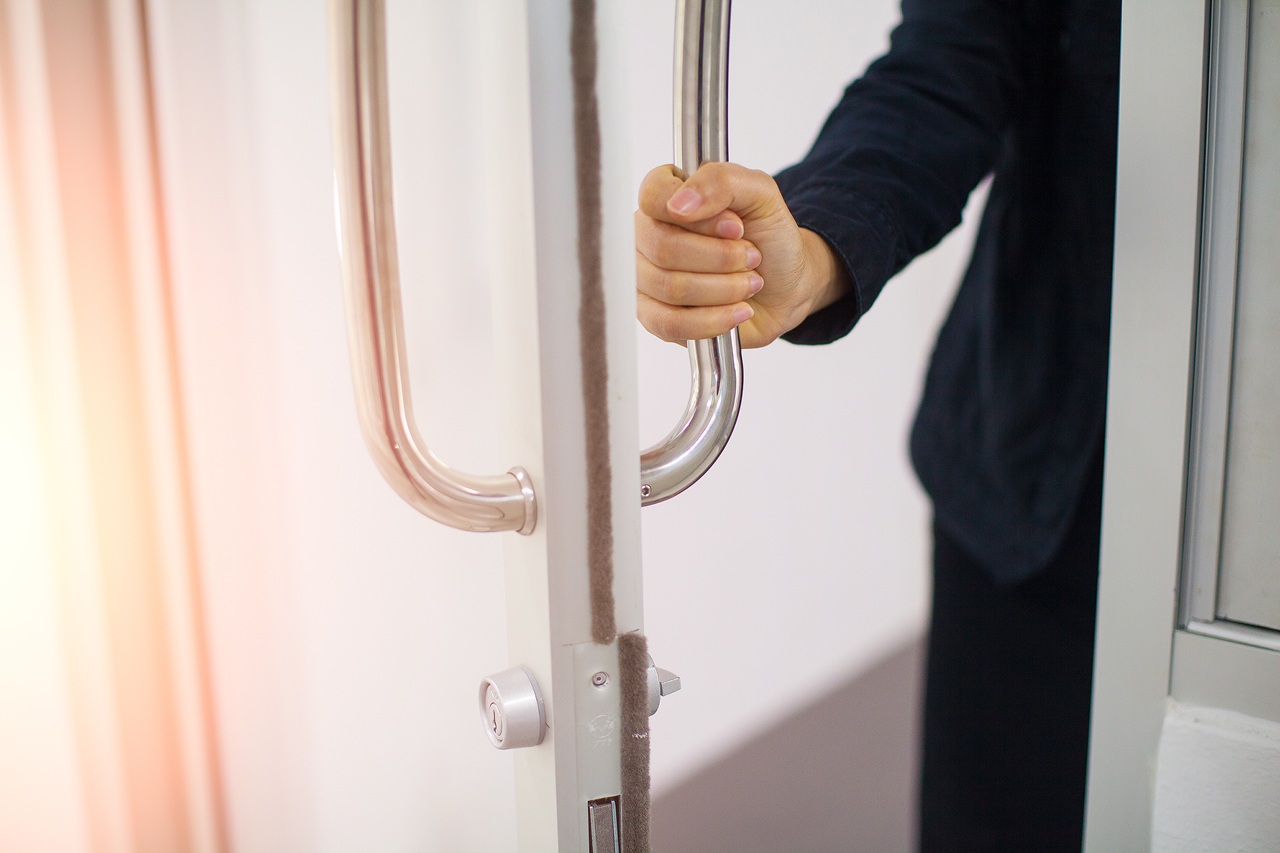
When doors close – especially heavy fire doors, internal office doors or machinery access doors – there is a risk that someone’s fingers could become caught in the hinge side or closing edge. This can cause anything from minor bruising and cuts to severe crush injuries, fractures or even amputations. Such incidents are particularly dangerous in places where doors are used frequently or where there is high foot traffic, such as offices, warehouses and schools.
The solution
In the UK, every employer has a legal duty of care under the Health and Safety at Work etc. Act 1974 to protect employees and visitors from foreseeable risks, and this includes door-related injuries. The Workplace (Health, Safety and Welfare) Regulations 1992 also states that doors and gates need to be constructed, installed and maintained with safety in mind. That’s where the installation of our finger guards come in!
Hinge guards offer effective ways to reduce door-related finger trapping risks. As well as preventing devastating and debilitating injuries, they’ll also help demonstrate compliance with safety regulations and a commitment to providing a safe, friendly working environment. By preventing finger trapping incidents, you’ll also actively reduce the likelihood of compensation claims, lost work time and reputational damage as an employer.
If you’re looking to reduce or even eliminate the risk of finger injuries in your workplace, the solution is simple – check out our finger guards for offices and commercial premises right here.

Sorry, the comment form is closed at this time.