


22 Apr Assessing the risk of your classroom doors
In a school environment, risk doesn’t just come from obvious classroom health and safety concerns. It often hides in the most familiar, overlooked places – doors being perfect examples!
Doors are used hundreds of times a day by pupils, staff and visitors, yet they’re rarely considered sources of serious injury. The reality however is very different. Doors are responsible for all kinds of injury, including physical damage and psychological issues. Some areas are riskier than others in the average school too, as Southampton City Council describes:
“Whilst all doors in schools are potentially a risk to children, an analysis of previous accidents in Southampton schools has shown that classroom doors, toilet entrance doors and toilet cubicle doors represent the highest risk of finger trapping accidents, in line with national trends. Young children are particularly susceptible to door trapping injuries.”
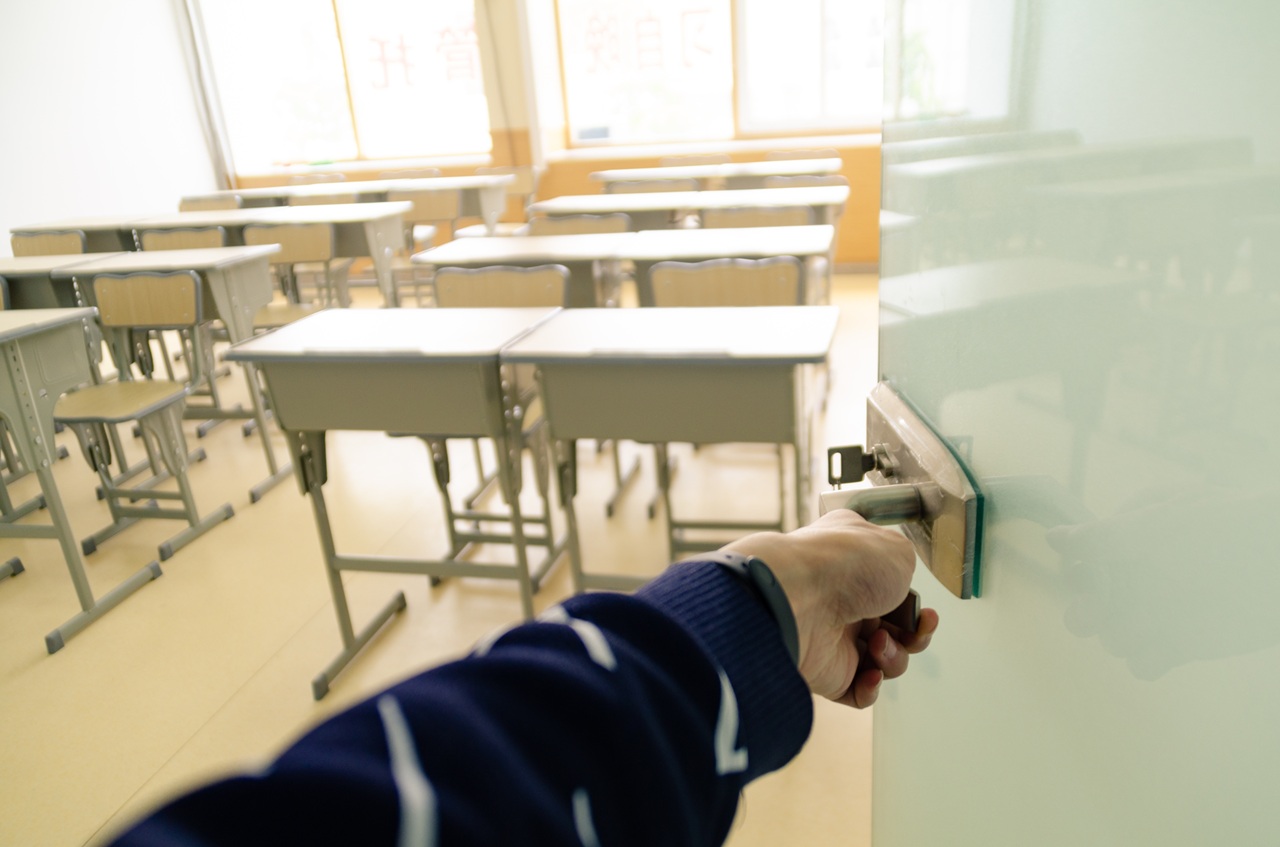
At the top of that list is the humble classroom door, but just how risky are the classroom doors in your school? In this blog post, we share a step-by-step guide to assessing the risk of your classroom doors to bring you one step closer to an effective solution that’ll help you put door safety first.
Start with the obvious
If you have the budget to enhance the safety of every door on your property that’s great news. Starting smaller? Then assessing the risk of each door to pinpoint which areas need your attention first is vital. Many schools prefer to prioritise higher risk areas rather than opt for a full-site, blanket install.
Start your assessment where injuries happen or have happened in previous years. You’ll need to consult your incident book or first aid logs for this. Ask yourself, which doors were involved and what age group was injured? Don’t worry if you don’t have this data to hand, concentrate your efforts on protecting riskier younger year groups first.
Prioritise the hinge side
Hinge side injuries are by far the most dangerous – you can find out why here – this pinch point occurs when the door closes and is particularly prevalent in busy corridors, and across heavy fire doors and doors equipped with self-closing mechanisms. Start your assessment here to identify the most at-risk locations.
Take a closer look
As well as the location of the door, you’ll need to carefully analyse the door type. This includes its primary material, along with its weight, mechanism (self-closing or not), visibility, hinge gap size and frequency of use. All these factors will help you understand whether it’s a good candidate for prospective door safety measures.
Assess the Fingersafe way
You don’t have to take on the assessment of doors across your site alone. We’re here to help and it all starts by downloading this risk assessment form.
Once you’ve filled out all the necessary information for each door, simply hit save and return it to us via email. We’ll then help you explore our range of finger door guards with precision to find the safety solutions that are right for your application.
Don’t forget to retain the original copy of your risk assessment for your own health and safety records.
Reassess after installation
While the impact of your new finger protection devices will be felt by all, we always recommend reassessment after installation to ensure you don’t miss a trick.
Examine the difference guard installation has made within your school environment, monitor incident reports, check guards are intact and fitted appropriately, gather feedback from staff, and make any necessary adjustments to prioritise safety for all and eliminate finger trapping accidents for good.
Ready to get started? Contact our team today for advice or discover more information on the risk assessment process.

Sorry, the comment form is closed at this time.